Alexandra Palace to mark 90 years of BBC television with 2026 events
A heritage season will include studio tours, archive access and a World Origin Site plaque at the north London venue
Trust 74Craft 95Hype 15How this was reported ▾
Trust 74: two named experts, a board report cited, and specific dates and figures are provided.
How well corroborated and evidenced the reporting is. Higher is better.
Critic 95: clear context, quotes, specific data, and explanation of upcoming events enhance the story.
Context, balance and separation of fact from comment. Higher is better.
Hype 15: language is factual with no sensational emphasis.
How far presentation runs ahead of substance. Lower is better.
1 source assessed · methodology
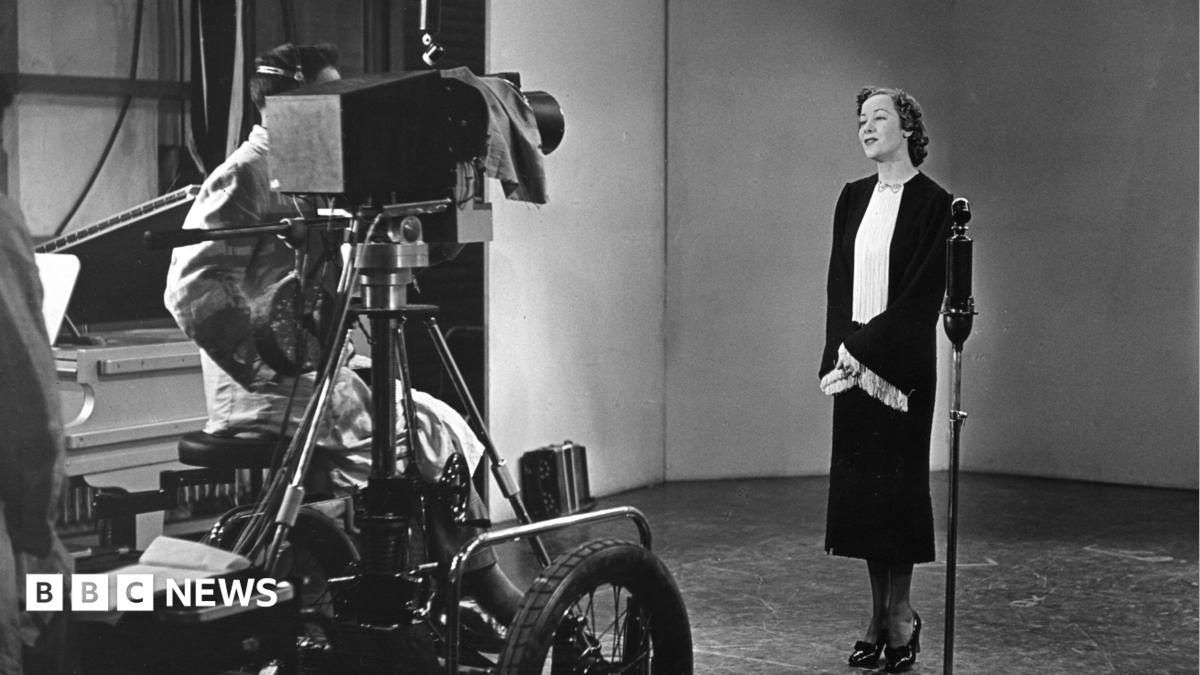
Alexandra Palace will host a series of events in 2026 to commemorate the 90th anniversary of the BBC’s first television service. The broadcaster launched its original television transmissions from the north London venue on 2 November 1936. Organisers plan a heritage season featuring public tours of the historic BBC studios and access to the broadcaster’s archive collections.
Why the 1936 service was called ‘high-definition’

Michael Sheen to host BBC's House of Games from September
The actor will replace Richard Osman, who announced his departure in March 2026.
The BBC described its 1936 service as the world’s first regular ‘high-definition’ television broadcast. At the time, the broadcaster defined high-definition as a picture made up of at least 240 lines. David Hendy, professor in media and cultural history at the University of Sussex, said this was a deliberate choice to distinguish it from a German service launched in 1935, which used 180 lines.
What the 2026 events will include
The anniversary programme will run in autumn 2026 with an overarching theme of innovation. A report for Alexandra Park and Palace Charitable Trust said the season will feature talks, screenings and performances aimed at families and intergenerational audiences. Kirsten Forrest, interpretation and curatorial manager at the trust, said the events present an opportunity to raise the venue’s profile in television history.

Westminster Primary Schools Face Financial Deficits
Fourteen schools are in the red, with one reporting a shortfall of over £1.2 million due to declining pupil numbers.
Forrest said the trust also wants to use the ticketed events to gather data on visitor interest. She said the south-east wing and former studios already attract strong demand for tours, but the trust needs to understand what other types of heritage engagement the public might want. The findings will inform future programming at the venue.
A plaque to mark the site’s significance
The anniversary will be marked with a World Origin Site plaque. These plaques are installed to recognise locations where something ground-breaking was invented, discovered or first used. Alexandra Palace will join other sites in London and beyond that have received the designation for their role in technological or scientific history.
What happens next
The heritage season is scheduled for autumn 2026. Alexandra Park and Palace Charitable Trust has not yet announced specific dates or ticket details. The trust said it will release further information closer to the time, including how to book tours and events. The World Origin Site plaque is expected to be unveiled during the anniversary period.
Questions this report answers
+When did the BBC launch its first television service?
The BBC launched its first television service on 2 November 1936 from Alexandra Palace. It was the world’s first regular high-definition television broadcast, defined at the time as a picture made up of 240 lines. The service predated Germany’s 1935 offering, which used 180 lines.
+What events will take place for the 90th anniversary?
Alexandra Palace will host a heritage season in autumn 2026, including studio tours, archive access, talks and screenings. A World Origin Site plaque will also be unveiled to mark the venue’s role in broadcasting history. Ticketed events aim to gather data on public interest in heritage engagement.
+Why was the BBC’s 1936 service called ‘high-definition’?
The BBC defined its 1936 service as ‘high-definition’ because it used a picture resolution of 240 lines. This was higher than Germany’s 1935 service, which used 180 lines. The BBC used the term to emphasise its technological advantage at the time, as reported by the University of Sussex’s David Hendy.
+How can residents get involved in the anniversary events?
Details of the 2026 events, including dates and ticket booking, will be announced closer to the time by Alexandra Park and Palace Charitable Trust. The trust said it will provide updates on how to participate in tours, talks and other activities celebrating the BBC’s television heritage.
WE FILE
No invented reporter. No hidden source trail.
The HNL Local Desk assembled this report from the outlets listed below. Language-model drafting is reviewed under human editorial supervision, with scoring notes and corrections kept visible.
Harrow AM
The compact morning rundown, with scores and source links.
More Coverage in World
Michael Sheen to host BBC's House of Games from September
Westminster Primary Schools Face Financial Deficits
