London to witness deep partial solar eclipse on 12 August 2026
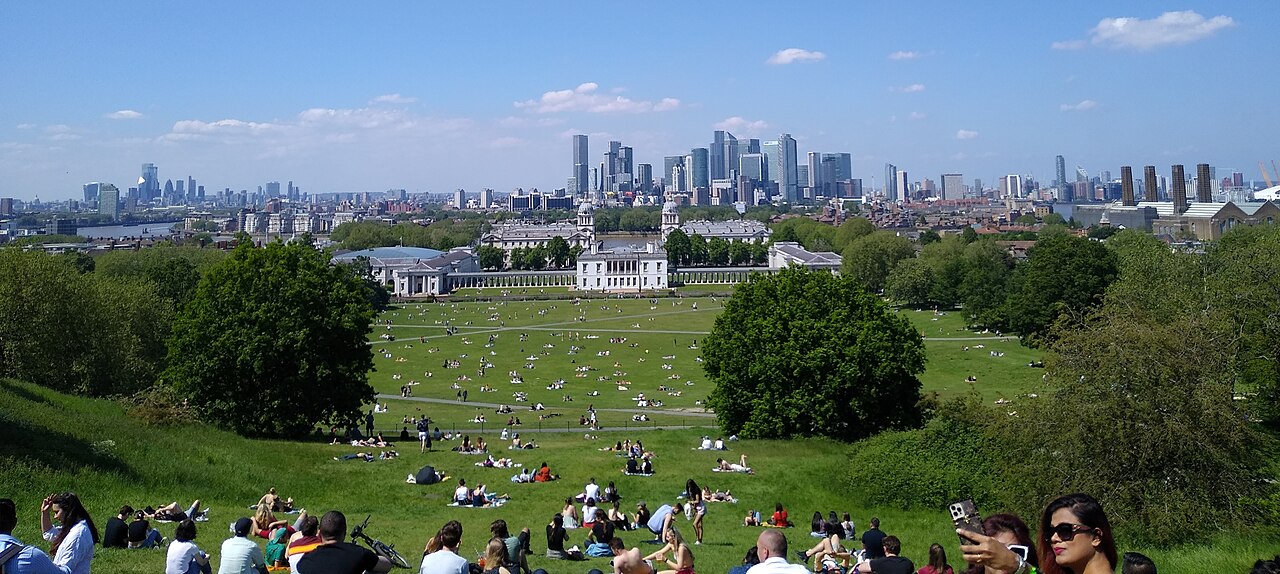
The event will begin at 6:17 pm, peak at 7:13 pm and end near 8:06 pm, with Greenwich Park highlighted as a prime viewing location.
Trust 54Craft 85Hype 25How this was reported ▾
Trust is 54 as the Met Office forecast and exact timings are cited, but no named individuals or multiple outlets.
How well corroborated and evidenced the reporting is. Higher is better.
Critic score 85 for clear facts, specific details, and next steps, though lacking direct quotes.
Context, balance and separation of fact from comment. Higher is better.
Hype 25; language is mild and factual with no sensationalist framing.
How far presentation runs ahead of substance. Lower is better.
3 sources assessed · methodology
Londoners will witness a deep partial solar eclipse on 12 August 2026, with the Moon obscuring roughly nine‑tenths of the Sun’s disc. The Standard reported that the event starts at 6:17 pm, peaks at 7:13 pm and finishes close to 8:06 pm. This marks the largest partial solar eclipse seen from the UK in more than twenty‑five years.
Where to watch

Met Police record 25% rise in antisemitic offences
Force to receive £86 million for extra officers in Jewish neighbourhoods following a 'horrible year'.
The Standard pointed to Greenwich Park as a top choice for eclipse watchers. The park lies in southeast London and hosts the Royal Observatory along the Prime Meridian line. Its open grasslands and elevated position give a clear westward view as the Sun lowers in the sky. The article noted that the observatory’s presence adds a sense of occasion, and the surrounding area often attracts a lively crowd eager to share the experience. It also mentioned that the park’s closeness to the River Thames provides extra open space and that the Royal Observatory frequently organises special viewing sessions with expert talks and safe‑viewing equipment on the day.
Other suggested spots
The Standard also listed several alternative locations across the city. Telegraph Hill, situated near Nunhead, offers a quieter east‑to‑west aspect for those who prefer fewer people and features a small community garden where locals often gather for informal picnics. Primrose Hill, part of Regent’s Park in north London, provides sweeping views over London Zoo and the wider cityscape and is a favoured spot for sunset gatherings. Parliament Hill on Hampstead Heath rises to ninety‑eight metres, delivering a panoramic outlook that includes landmarks such as St Paul’s Cathedral and the Gherkin, while its elevated position overlooks the Heath’s ponds and woodlands. Alexandra Palace sits on a high ridge between Muswell Hill and Wood Green; its elevation was used by the BBC for the first television transmissions in 1936 and now offers an unobstructed skyward view above the tree line, with the surrounding park containing a boating lake that can reflect the eclipsed Sun. Crystal Palace on the Norwood Ridge features open grass areas and the upper Italian terraces, allowing an uninterrupted look toward the western horizon where the eclipse reaches its peak, and the park’s dinosaur trail adds a family‑friendly attraction for visitors.

Photos of Welsh breast‑cancer survivors to light up Piccadilly next month
The Pink Ribbon Foundation’s BOLD Wales project will showcase ten women’s portraits on the iconic screen, highlighting resilience after diagnosis and treatment.
Safety advice
The Standard quoted the Royal Observatory’s warning that looking directly at the Sun without proper solar filters can cause permanent eye damage. The observatory advised using certified eclipse glasses that meet the ISO 12312‑2 standard or employing indirect methods such as a pinhole projector to cast the Sun’s image onto a surface. It also stressed that children must be supervised and that even during a deep partial eclipse the remaining sunlight remains hazardous. Additionally, the Royal Observatory reminded viewers to check that their eclipse glasses are free of scratches or damage before use and to avoid using regular sunglasses, smoked glass or unfiltered telescopes, as these do not provide adequate protection.
A solar eclipse occurs when the Earth, moon and sun align. The moon passes in front of the sun and blocks its light, casting a small shadow on Earth.
Royal Observatory, as reported by The Standard
What comes next
The Standard added that the Royal Observatory said it will be a sixty‑four year wait until 2090 for the next total solar eclipse visible from the United Kingdom. The article noted that this long gap makes the 2026 partial eclipse a valuable opportunity to witness a significant solar event without leaving the country. The observatory also remarked that the 2026 event allows observers to experience a deep partial eclipse while awaiting the rare totality due in six decades. It highlighted that the 2090 total eclipse is expected to be visible from parts of the UK such as Cornwall and the Channel Islands, encouraging people to mark their calendars for that future date.
Questions this report answers
+When exactly will the solar eclipse happen in London?
The eclipse begins at 6:17 pm on 12 August 2026, reaches its peak at 7:13 pm, and ends near 8:06 pm. This timing allows viewers to watch the event during the early evening hours when the Sun is still visible but lowering in the sky.
+Where in London is the best place to watch the eclipse?
Greenwich Park is highlighted as a prime viewing location due to its open grasslands, elevated position, and clear westward view. The Royal Observatory there often organises special sessions with expert talks and safe-viewing equipment, adding to the experience.
+How much of the Sun will be covered during the eclipse?
About ninety percent of the Sun will be obscured by the Moon, making it a deep partial eclipse. This is the largest partial solar eclipse seen from the UK in more than twenty-five years, offering a dramatic sight.
+Is it safe to look at the eclipse directly?
No, the Royal Observatory warns that looking directly at the Sun without proper filters can cause permanent eye damage. Certified eclipse glasses meeting ISO 12312-2 standards or indirect methods like pinhole projectors must be used to view the eclipse safely.
WE FILE
No invented reporter. No hidden source trail.
The HNL Local Desk assembled this report from the outlets listed below. Language-model drafting is reviewed under human editorial supervision, with scoring notes and corrections kept visible.
Harrow AM
The compact morning rundown, with scores and source links.
More Coverage in World
Met Police record 25% rise in antisemitic offences
Photos of Welsh breast‑cancer survivors to light up Piccadilly next month

Harrow East records 8.14% depression rate, tenth lowest in England
